

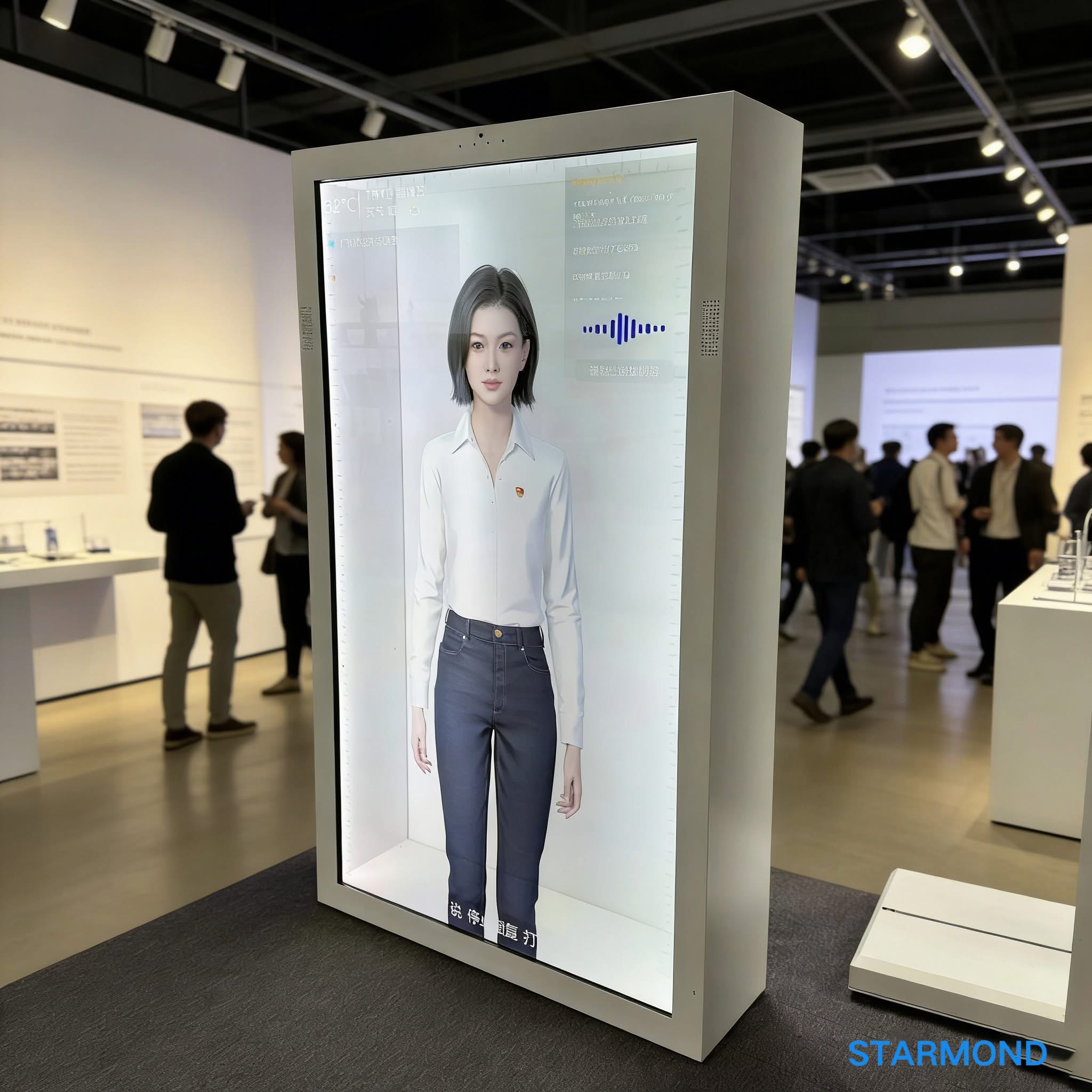
As retail and exhibition spaces search for new ways to capture attention, glasses free 3D display technology is emerging as a visual solution that stands out from traditional flat screens. It can present products with stronger depth and visual impact without requiring viewers to wear special glasses.
For B2B buyers and retail planners, the key question is where this display format fits the project, viewing environment, and content type.
Why 3D Display Technology Is Gaining Traction
The commercial display market has seen a trend toward more immersive visual experiences. Retailers and brands are looking for display formats that make storefront content more noticeable and help products stand out. As display technology improves, glasses-free 3D solutions are moving from niche novelty to a practical option for premium visual presentation.
Where 3D Displays Work Best and Where They May Not Be Suitable
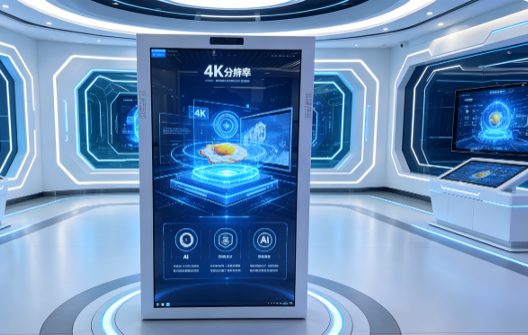
Glasses-free 3D displays are not a one-size-fits-all solution. They work best where visual impact is a priority, but may not suit every project.
Suitable Applications
- Retail windows: A 3D retail display creates a powerful first impression that makes people stop and look.
- Showrooms: 3D displays become a centerpiece of the customer journey, demonstrating products in an engaging format.
- Exhibitions: An exhibition 3D screen helps booths attract more visitors in crowded trade show environments.
Less Suitable Scenarios
- Unstable viewing distance — viewers move too quickly
- Limited content budget — 3D content requires more resources
- Simple advertising needs — basic text may be better on standard LCD
- Short viewer dwell time — 3D effect needs time to appreciate
| Project Condition | Suitable? | What to Check |
|---|---|---|
| Retail window, fixed direction | Yes | Distance, content, size |
| Open area, fast visitors | Maybe | Angle, dwell time |
| Simple price or text ads | Not priority | Standard LCD may be enough |
Glasses-free 3D displays may not be the best choice for every project. If the viewing direction is too wide, the audience moves too quickly, or the project only needs simple price and text advertising, a standard LCD display may be more practical. Before choosing a 3D display, buyers should confirm the viewing distance, content format, installation position, screen size, and expected visual effect.
Content, Viewing and Placement Considerations
A glasses-free 3D display is only as effective as the content shown on it. Before investing in hardware, understand content requirements and viewing conditions.
3D Content Requirements
- Special format: 3D displays need specially formatted content, not standard video.
- Update frequency: Plan workflow if frequent changes are needed.
- Supplier support: Some manufacturers offer content guidance.
For buyers evaluating holographic display solutions, discuss content requirements early in the evaluation process.
3D Content Checklist Before Inquiry
- Content format — images, video, interactive
- Product model — specific or need recommendations
- Viewing distance — typical viewer distance
- Installation position — window, showroom, booth
- Screen size — preferred size or space
- Expected effect — depth, floating elements
Viewing and Placement Factors
- Optimal distance: Each model has a recommended range. Confirm with supplier.
- Viewing angle: Best viewed from directly in front.
- Ambient lighting: Indoor or shaded locations preferred.
- Audience flow: More impact where viewers stop and look.
For buyers planning a 3D holographic display, share the floor plan or location with the supplier for placement guidance.
Ready to Explore 3D Display Solutions?
Glasses-free 3D display technology offers brands a way to create visually distinctive experiences. The key is to match the right solution with the right application and set realistic expectations.
Starmond Display offers 3D holographic display solutions for retail showrooms, exhibitions, product launches, and brand experience spaces.
Project Suitability Reminder: Before investing in 3D technology, share your scenario, viewing distance, content type, and installation position. We can help assess fit or suggest alternatives.
Before inquiry, prepare: application scenario, screen size, installation location, viewing distance, content type, quantity, target country, and special requirements.
Interested in learning more? Contact Starmond Display today to discuss your requirements.